Algunos pacientes reportan menos efectos secundarios
June 26, 2023
Well look next at how these benefits translate into everyday tolerability profiles
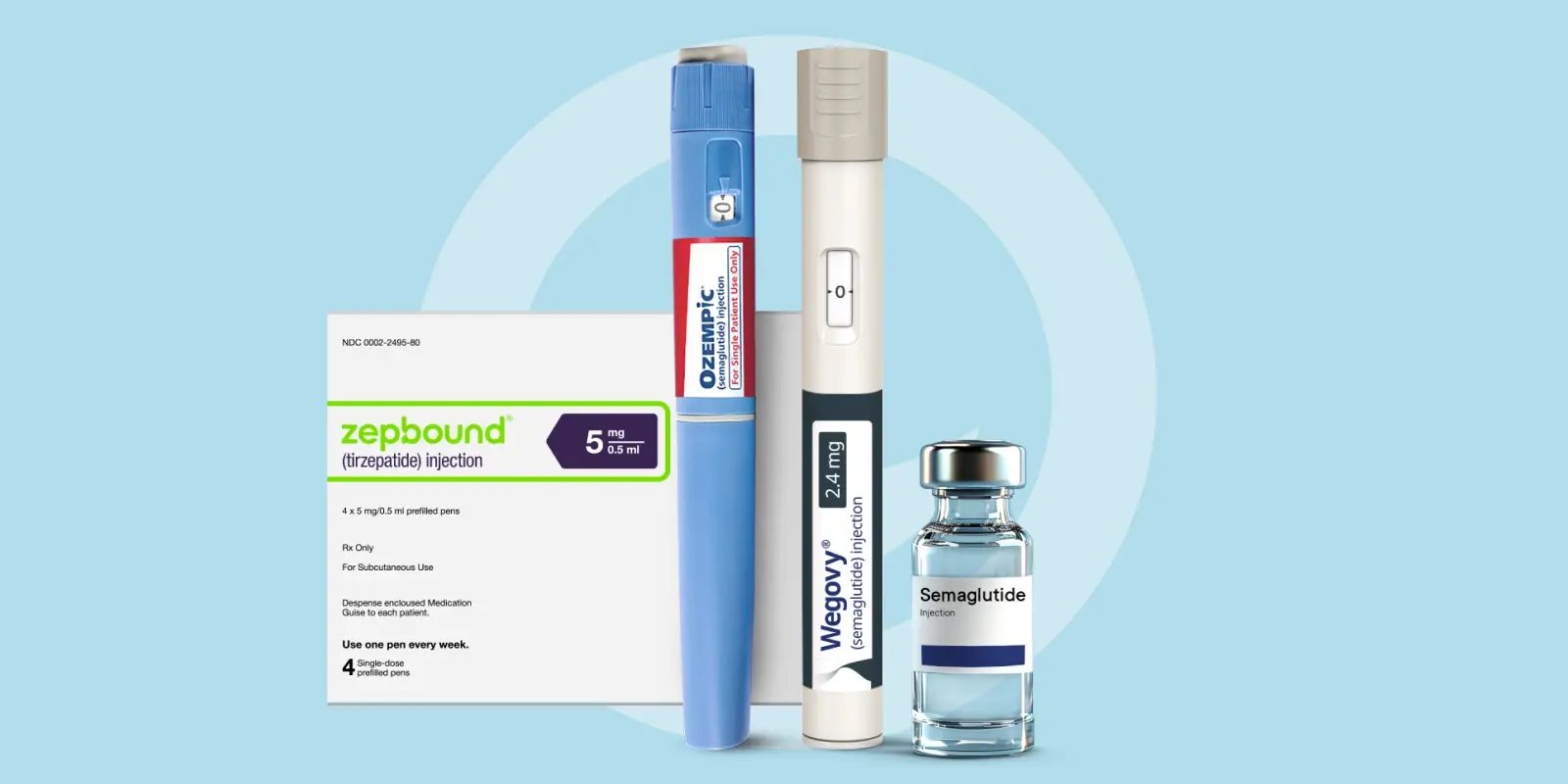
GLP-1 Market Size: USD 68.65 billion in 2026 | USD 195.01 billion by 2035 | CAGR: 12.3% | Leading Molecule: Semaglutide ( 52.1% revenue share) | Dominant Region: United States ( 62.8% revenue share) GLP-1 Weight Loss Drug Market Highlights: Key Data at a Glance ( 2026 ) GLP-1 Weight Loss Drug Market Size 2026 : USD 68.65 billion , forecast USD 195.01 billion by 2035 at 12.3% CAGR Dominant drug class: Dual GIP/GLP-1 Agonists (tirzepatide) and Injectable GLP-1 RA Monoagonists (semaglutide) with 78.4% combined revenue share Fastest-growing route: Oral GLP-1 formulations at 34.2% CAGR through 2035 driven by injection-free patient access expansion GLP-1 market leaders: Novo Nordisk and Eli Lilly with approximately 87% combined prescription weight management drug revenue share in 2026 Most prescribed weight loss molecule: Semaglutide (Wegovy and Ozempic) with 52.1% global GLP-1 market revenue share in 2026 FDA-approved anti-obesity GLP-1 drugs: Four molecules including semaglutide, tirzepatide, liraglutide, and oral semaglutide as of 2026 Global obesity patient pool: More than 1.1 billion adults with obesity globally
The three stacks below are the most popular and well-documented

Contact your healthcare provider within 24 hours if you experience: Persistent vomiting (more than 24 hours) preventing adequate fluid intake Severe diarrhea (more than 6 episodes daily) lasting beyond 48 hours Inability to keep down fluids despite anti-nausea measures Weight loss exceeding 23 pounds in 24 hours (likely fluid loss) Markedly reduced urine output with dark, concentrated urine New or worsening dizziness affecting daily activities or causing falls Blood glucose readings consistently above target despite usual management Seek immediate medical attention (emergency department or call 911) for: Severe, persistent abdominal pain (may indicate pancreatitis or gallbladder disease, which are labeled risks of GLP-1 medications requiring immediate evaluation and drug discontinuation) [1] Severe dizziness or fainting episodes Rapid or irregular heartbeat with chest discomfort Confusion, disorientation, or altered mental status Inability to urinate for 12+ hours Signs of acute kidney injury (decreased urine output, swelling, severe fatigue) Symptoms of hyperglycemic emergencies in diabetes patients (excessive thirst, frequent urination, fatigue, fruity breath) Patients with pre-existing kidney disease, heart failure, or those taking multiple medications affecting fluid balance should maintain closer communication with their healthcare team